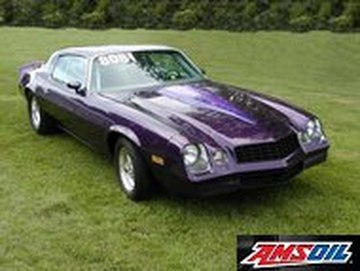
Lubrication Maintenance for the 1981 Chevrolet CAMARO 3.8L
Maintaining a classic vehicle like the 1981 Chevrolet CAMARO requires a disciplined approach to routine service and fluid management. For those operating the 3.8L engine, consistent attention to lubrication is one of the most effective ways to manage the mechanical health of the powertrain. Because older engines operate under different thermal and mechanical stresses than modern vehicles, understanding how to monitor and respond to changes in lubricant condition is essential for long-term ownership.
Monitoring Fluid Integrity and Condition
Regularly checking the state of your engine oil provides immediate insight into how the engine is performing. When performing a routine check, look for more than just the level on the dipstick; observe the physical characteristics of the lubricant itself. A significant change in color or texture can be an early indicator that something requires investigation.
If the oil appears excessively dark or contains visible particulate matter, it may suggest that the lubrication is no longer providing adequate protection or that the filtration process is being challenged. Furthermore, if you notice any unusual odors coming from the crankcase area, such as a sharp chemical scent or a smell reminiscent of fuel, this warrants immediate inspection. Such symptoms can have many different causes, ranging from simple evaporation to more complex issues with the ventilation system, and should not be ignored.
It is also useful to keep an eye out for any signs of external seepage. Inspecting the area around the engine block and various sealing surfaces for wetness or residue can help identify potential leaks before they become significant. While some minor seepage is common in older engines, a steady drip or a heavy coating of oil on engine components should be addressed promptly to prevent further complications.
Prioritizing Service Based on Vehicle Condition
For an owner of a 1981 Chevrolet CAMARO, maintenance priorities should ideally be driven by the actual condition of the vehicle rather than just its age. If you have recently acquired the car and do not have access to a comprehensive service history, establishing a baseline is a logical first step. This involves performing a thorough inspection of all fluids and mechanical components to understand the current state of the engine.
When reviewing maintenance records, look for consistency in oil changes and part replacements. If documentation is incomplete, treat the vehicle as if it requires a fresh start regarding its service intervals. Once a baseline is established, you can transition from reactive repairs to proactive monitoring. This means focusing on:
- Addressing any active leaks or visible signs of fluid loss immediately.
- Monitoring for changes in how much oil the engine seems to consume between services.
- Inspecting aging materials, such as rubber hoses or belts (if equipped), for signs of cracking or hardening.
- Documenting every service performed to create a reliable history for future use.
By distinguishing between necessary preventive maintenance and the unnecessary replacement of parts that are still in good condition, you can manage the upkeep of the 3.8L engine more efficiently.
Observing Potential Warning Signs
While many mechanical issues develop gradually, some symptoms appear more suddenly and require quick attention. If you notice a sudden change in how the engine sounds or feels while idling or under load, it is important to investigate the cause. Unusual mechanical noises—such as tapping, knocking, or grinding—can be associated with various lubrication or mechanical issues and should always be evaluated by a professional.
Another critical indicator is the appearance of warning lights on the dashboard. If an oil-related indicator illuminates, it is vital to stop the vehicle safely and check the lubricant level immediately. An oil pressure warning requires immediate investigation, as running the engine without sufficient lubrication can lead to rapid mechanical damage. Remember that a single symptom does not always point to one specific failed component; for example, a burning odor might indicate oil contacting a hot surface rather than an internal engine problem. Always approach these signs with the understanding that they are signals for further diagnostic work.
Managing Aging Components and Seals
As vehicles age, the materials used in gaskets and seals can undergo changes due to heat cycles and time. For the 1981 Chevrolet CAMARO, it is wise to perform periodic visual inspections of accessible seals and gaskets. Look for signs of age-related seepage or leakage that might indicate a seal is losing its ability to contain fluids effectively.
If your vehicle is equipped with various drive belts, inspect them for signs of deterioration such as glazing, fraying, or cracking. Similarly, if the engine utilizes specific hoses for cooling or ventilation, check them for softness, brittleness, or bulging. Maintaining these peripheral components helps ensure that the environment in which the engine operates remains stable and free from unnecessary leaks or overheating risks.
Long-Term Ownership and Record Keeping
The most successful approach to maintaining a classic 3.8L Chevrolet CAMARO is through meticulous record-keeping. A well-documented history of every oil change, filter replacement, and mechanical repair serves as a roadmap for the vehicle's health. This documentation is invaluable when you are trying to determine if a new symptom is a sudden development or part of a long-term trend.
Keeping a log that includes the date, mileage, and specific products used (such as the type of oil and filter) allows you to identify patterns. For instance, if you notice that the engine requires more frequent top-offs over several months, your records will help you confirm that this is a developing trend rather than a one-time occurrence. This level of detail also adds significant value to the vehicle should you ever decide to pass it on to another enthusiast.
Practical Guidance for Buying Engine Oil for your 1981 Chevrolet CAMARO 3.8L
When it is time to replenish your engine's lubrication, your primary goal is to match the lubricant to the specific requirements of your engine. Because different engines have unique needs regarding additive packages and base oils, you should always refer to the application-specific viscosity and oil information provided on this webpage before making a purchase.
As you shop, consider the following practical steps:
- Verify the Label: Always check the product packaging to ensure it meets the specifications listed in your vehicle's documentation.
- Evaluate Formulations: Depending on your engine's current condition and mileage, you may encounter various options such as conventional, synthetic blends, or full synthetic oils. Some high-mileage oil formulations contain additives intended for use in aging engines, including seal-conditioning additives that may be beneficial for older seals.
- Check Quality Standards: Look for appropriate API certifications on the bottle to ensure the oil meets modern standards for detergent and anti-wear properties.
- Avoid Assumptions: Do not select an oil based solely on the age of the vehicle or general automotive trends; always prioritize the specific viscosity information shown above.
By following the application-specific guidance provided here, you can ensure that your 1981 Chevrolet CAMARO receives the correct lubrication to support its continued operation.